
Cool Mornings, Hot Afternoons – Managing Health During the Season of Extreme Temperature Swings with Traditional Korean Medicine
Jong-Rae Noh | Medical Director, Misodream Korean Medicine Clinic, R.TCMP
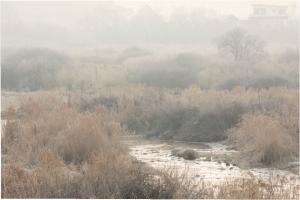
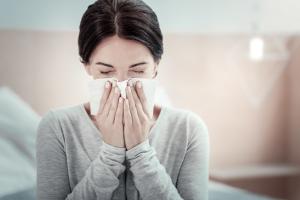
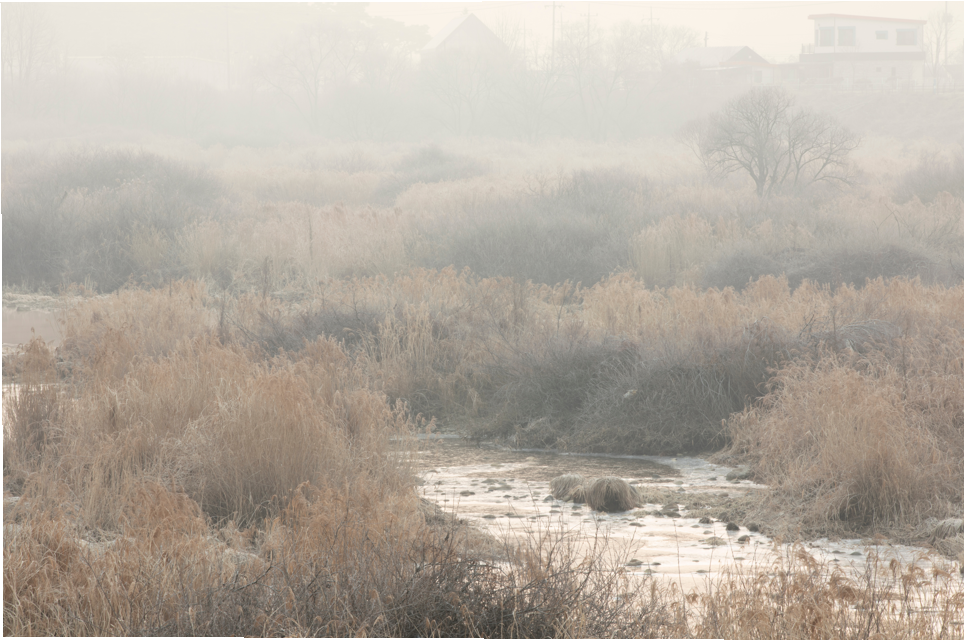
As August draws to a close, the intensity of summer heat gradually weakens. Yet daytime temperatures still rise above 30°C, while nights can drop below 15°C. Such dramatic fluctuations of more than 10 degrees are considered in Traditional Korean Medicine (TKM) to be a period of “Yin-Yang transition”—a time when the body’s balance is easily disrupted.
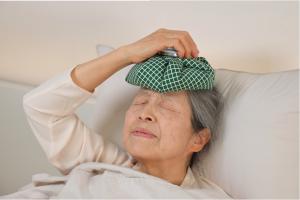
During this season, respiratory illnesses, cardiovascular conditions, and weakened immunity frequently occur. Exposure to heat during the day, followed by sudden cold air at night, weakens the skin and the respiratory system’s defenses. Blood vessels rapidly contract and expand, placing stress on the heart and brain. Moreover, the body, still fatigued from summer heat, faces added strain from temperature changes, resulting in reduced immune function and higher susceptibility to colds and inflammatory diseases.
1. Keeping Warm (Bo-on, 保溫)
The first principle of prevention in TKM is warmth. Body temperature is closely tied to Qi, the body’s vital energy. As temperatures drop in the morning and evening, it is essential to wear an extra layer. Special care should be taken to protect the neck, lower back, and ankles—areas most vulnerable to “wind invasion” in TKM.
2. Supporting Lung Health and Immunity
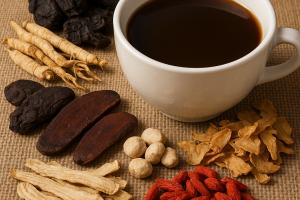
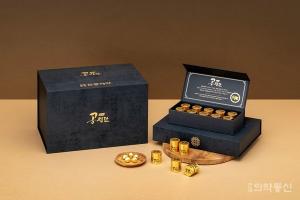
The dryness of autumn weakens the lungs. Foods such as pear, balloon flower root (doraji), ginkgo, and lily bulb help moisturize and protect the respiratory system. Herbal medicine tailored to an individual’s constitution also plays an important role. For those with general fatigue and weakness, Bojung-Ikgi-tang (補中益氣湯) is often prescribed, while those under heavy stress or exhaustion may benefit from Gongjin-dan (拱辰丹). These formulas replenish Qi and Blood, harmonize organ functions, and stabilize immune responses.
3. Protecting Cardiovascular Health
Blood pressure tends to rise in the early morning when temperatures are lowest. Seniors should avoid sudden activity upon waking. Instead, drinking warm water and performing gentle stretches for 30 minutes helps the body adjust. In TKM, herbs such as Danshen, Safflower, and Cinnamon are commonly used to support circulation, maintain body warmth, and improve blood flow.
4. Maintaining a Regular Lifestyle and Hydration
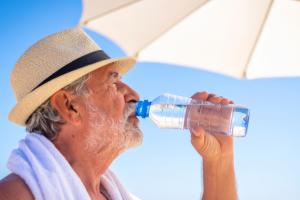
Irregular habits, such as late nights and sleeping in, further weaken immunity during seasonal changes. Going to bed before 11 p.m. and receiving morning sunlight helps stabilize the body’s rhythm. For those who sweat heavily during the day, hydration should go beyond plain water—warm rice porridge or barley tea replenishes both fluids and electrolytes.
5. Caring for Joints and Muscles
Temperature shifts stiffen muscles and joints, often worsening degenerative arthritis or back pain in older adults. Light walking and stretching to strengthen surrounding muscles are highly beneficial. For more severe symptoms, acupuncture, moxibustion, and herbal injections are effective in reducing inflammation and improving circulation.
6. Supporting Emotional Well-being
Seasonal changes also affect the autonomic nervous system, sometimes leading to anxiety, low mood, or fatigue. In TKM, the mind is closely connected with the Heart (Shin, 心). To stabilize the Heart, meditation, deep breathing, and a warm cup of tea are helpful. Herbal teas made with jujube, chrysanthemum, and schizandra berries support both relaxation and immunity.
The seasonal transition is nature’s way of preparing for the next stage, and our bodies must also prepare for the change. With mindful attention to warmth, lung and heart protection, and immune support, it is possible to welcome autumn in good health, without being shaken by sudden temperature shifts.
At Misodream Korean Medicine Clinic, we provide personalized TKM treatments and lifestyle guidance to strengthen immunity and manage chronic conditions during this transitional season.
아침·저녁 쌀쌀, 낮엔 한여름… 일교차 심한 환절기, 한의학적 건강관리
노종래 | 미소드림한의원 원장, RTCMP
8월 말, 무더운 여름의 기세가 한풀 꺾였지만 낮 기온은 여전히 30도를 웃돌고, 밤이 되면 15도 아래로 떨어지는 날이 이어지고 있습니다. 기온 차가 10도 이상 벌어지는 이런 시기를 한의학에서는 ‘음양 교체기’라 하여 몸의 균형이 무너지기 쉬운 때로 봅니다.
이 시기에는 특히 호흡기 질환, 심혈관 질환, 면역력 저하가 자주 나타납니다. 낮 동안 더위에 노출됐다가 밤에 갑자기 찬 공기를 맞으면 피부와 호흡기의 방어 기능이 약해지고, 혈관이 급격히 수축·확장되며 심장과 뇌혈관에 부담을 줍니다. 또한 더위로 지친 몸이 회복되기도 전에 기온 변화가 겹쳐 면역 기능이 떨어져 감기나 염증성 질환에 쉽게 걸립니다.
한의학에서는 기온 변화에 대응하는 첫 번째 방법으로 **‘보온(保溫)’**을 강조합니다. 체온은 곧 ‘기(氣)의 힘’과 연결되어 있기 때문에, 기온이 내려가는 아침·저녁에는 반드시 겉옷을 걸쳐야 합니다. 특히 목, 허리, 발목은 ‘풍(風)’이 잘 침입하는 부위이므로 따뜻하게 보호하는 것이 좋습니다.
두 번째는 호흡기와 면역력 강화입니다. 가을의 건조한 기운은 폐를 상하게 하므로, 배·도라지·은행·백합 같은 폐윤(肺潤) 식품을 섭취하면 도움이 됩니다. 또한, 체질과 건강 상태에 맞춘 한약 복용이 좋은데, 기력이 약한 분에게는 ‘보중익기탕(補中益氣湯)’, 과로와 스트레스가 많은 분에게는 ‘공진단(拱辰丹)’이 대표적입니다. 이는 기혈을 보충하고 장부 기능을 조화롭게 하여 면역 반응을 안정시킵니다.
세 번째는 심혈관 건강 관리입니다. 기온이 떨어지는 새벽과 이른 아침에는 혈압이 상승하기 쉽기 때문에 갑작스러운 활동은 피하고, 기상 후 30분 정도는 따뜻한 물 한 잔과 가벼운 스트레칭으로 몸을 풀어주어야 합니다. 한의학에서는 혈액순환을 돕는 약재로 단삼, 홍화, 계피 등을 활용해 체온 유지와 혈류 개선을 돕습니다.
네 번째는 규칙적인 생활과 수분 보충입니다. 환절기에는 늦게 자고 늦게 일어나는 불규칙 생활이 면역력 저하를 부추깁니다. 밤 11시 이전 취침, 아침 기상 후 햇빛을 받는 습관이 중요합니다. 또한 낮 동안 땀을 많이 흘린 경우, 단순한 물보다는 미음·보리차 등으로 체액과 전해질을 함께 보충하는 것이 좋습니다.
다섯 번째는 관절과 근육 관리입니다. 기온 변화는 관절과 근육을 경직시키고, 특히 노년층의 퇴행성 관절염·허리 통증을 악화시킬 수 있습니다. 가벼운 걷기, 관절 주변 근육을 강화하는 스트레칭을 꾸준히 하면서, 증상이 심하면 침·뜸·약침 치료를 통해 염증과 혈액순환을 개선할 수 있습니다.
마지막으로, 환절기에는 마음 관리도 중요합니다. 날씨 변화는 자율신경계에도 영향을 미쳐 불안감, 우울감, 피로를 유발할 수 있습니다. 한의학에서 마음은 ‘심(心)’과 연결되며, 심의 안정을 위해서는 명상, 심호흡, 따뜻한 차 한 잔이 도움이 됩니다. 대추·감국·오미자를 넣은 차는 심신 안정과 면역력 강화에 좋습니다.
환절기는 자연이 계절을 바꾸듯 우리 몸도 새로운 계절을 맞이하는 준비 기간입니다. 체온 관리, 폐와 심혈관 보호, 면역력 강화에 조금만 더 신경 쓴다면 기온 변화에 흔들리지 않고 건강하게 가을을 맞이할 수 있습니다.
미소드림한의원에서는 환절기 면역 강화와 만성질환 관리에 도움이 되는 맞춤 한방치료와 생활관리법을 상담해 드립니다.
 The History, Key Components, and Health Benefits of Korean Re...
 The Seasonal Transition – A Crucial Time for Seniors Traditio...