Understanding and Treating the Common Cold in Traditional Korean Medicine
By Noh Jong-rae, R.TCMP | Director, Misodream Korean Medicine Clinic
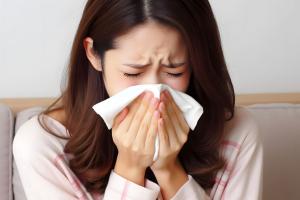
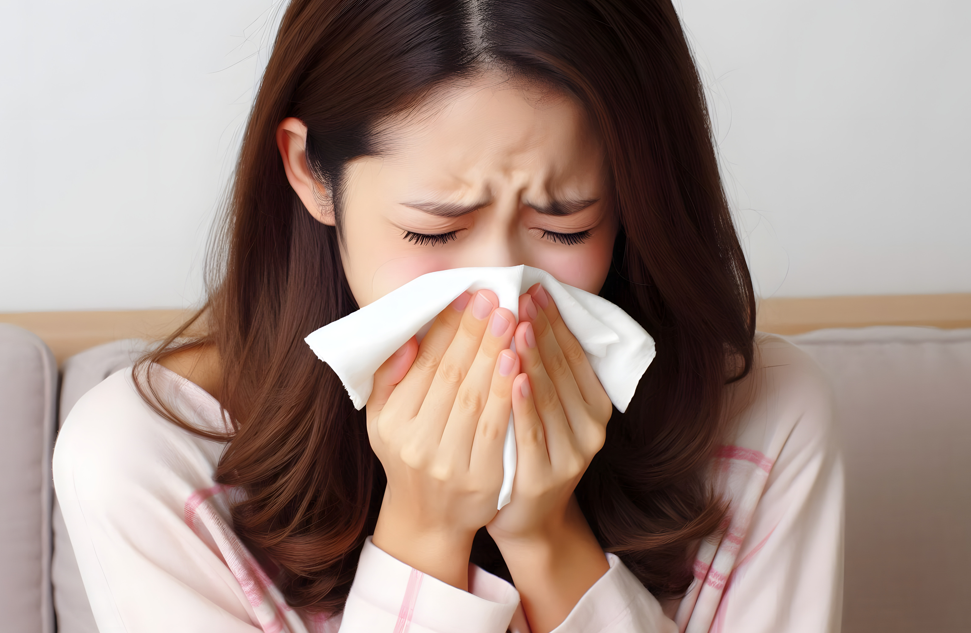
As temperatures drop and cold winds begin to blow, many people find themselves suffering from colds. Though common, a cold can disrupt daily life for several days, and in the elderly or weak, it can even develop into complications such as bronchitis or pneumonia. So how does traditional Korean medicine interpret and treat the common cold?
In Western medicine, the common cold is regarded as a viral infection of the upper respiratory tract. Since there is no specific cure, treatment usually involves rest, hydration, and medications such as antipyretics or pain relievers to ease symptoms until the body recovers naturally.
Traditional medicine, however, views the cold differently — not simply as an infection, but as a disharmony of the body’s internal energy. It is believed that external pathogenic factors, such as cold wind (風寒) or heat (風熱) invade when the body’s defensive energy, called Wei Qi (衛氣), is weakened. In other words, a cold is seen as a signal that the body’s balance has been disturbed.
In traditional terminology, the common cold is referred to as Gammo (感冒) or Sanghan (傷寒), and it is classified according to its cause and symptoms.
When one is exposed to cold and experiences chills, a runny nose, and clear nasal discharge, it is diagnosed as a Wind-Cold Cold (風寒感冒).
If there is fever, sore throat, and yellow phlegm, it is considered a Wind-Heat Cold (風熱感冒).
Because the causes differ, treatment approaches also differ:
-
For Wind-Cold type, formulas that warm the body and promote sweating to expel the pathogen are used, such as Gyegeun-tang (葛根湯), Hyeonggae-yeongyo-tang (荊芥連翹湯), or Mahwang-tang (麻黃湯).
-
For Wind-Heat type, formulas that clear heat and relieve inflammation are prescribed, such as Eungyo-san (銀翹散), Yeongyo-paedok-san (連翹敗毒散), or Sanggung-eum (桑菊飮).
A distinctive feature of traditional medicine is its individualized treatment, tailoring prescriptions according to both the patient’s constitution and the nature of the illness.
One of the most important aspects of treatment is the regulation of sweating.
In Wind-Cold Colds, mild sweating helps expel the invading cold, while in Wind-Heat Colds, excessive sweating should be avoided to prevent dehydration. Balancing these subtle physiological responses is central to promoting the body’s natural healing ability.
After a cold, many people experience lingering fatigue or lowered immunity. In such cases, tonics like Bojung-ikgi-tang (補中益氣湯), Gyeongok-go (瓊玉膏), or Sagunjatang (四君子湯) can help replenish energy, accelerate recovery, and prevent recurrence.
The ultimate goal of traditional medicine is not merely to eliminate the cold, but to strengthen the body’s resistance and restore overall vitality.
Traditional medicine also interprets a cold as the body’s signal to rest.
Overwork, stress, and lack of sleep can weaken the body’s Wei Qi, making it more susceptible to external influences. Therefore, adequate rest, warm, nourishing foods, and sufficient hydration are as important as any medication.
Of course, if high fever persists or breathing difficulties occur, Western medical care is essential.
However, most early-stage colds and post-illness fatigue can be effectively managed through traditional treatments, which have the advantage of supporting immune recovery without antibiotics, thus minimizing side effects.
In essence, the treatment of the common cold in traditional Korean medicine is not about killing the virus, but about restoring the body’s natural defenses. Herbal prescriptions enhance immunity, while acupuncture, moxibustion, and cupping improve Qi and blood circulation.
A cold is the body’s gentle warning — a reminder to slow down and restore balance.
By applying the wisdom of traditional medicine to nurture harmony within, one can go beyond merely curing a cold and move toward true health and holistic well-being.
한방에서 본 감기의 해석과 치료
노종래 | 미소드림한의원 원장
기온이 떨어지고 바람이 차가워지면 감기로 고생하는 사람이 많아진다. 감기는 흔하지만, 때로는 며칠씩 일상생활을 무너뜨리고, 노약자에게는 폐렴이나 기관지염 같은 합병증으로 이어지기도 한다. 그렇다면 한방에서는 감기를 어떻게 해석하고 치료할까?
서양의학에서는 감기를 바이러스 감염으로 인한 상기도 염증으로 본다. 특별한 치료약은 없고, 해열제나 진통제로 증상을 완화하며 자연 회복을 기다리는 것이 일반적이다. 그러나 한의학은 감기를 단순히 ‘감염’으로만 보지 않는다. 외부의 찬 기운이나 열기 같은 **사기(邪氣)**가 인체의 방어기운인 **위기(衛氣)**를 뚫고 들어와 생기는 기운의 불균형으로 해석한다. 즉, 감기는 몸의 조화가 깨졌다는 신호다.
한의학에서는 감기를 감모(感冒) 또는 **상한(傷寒)**이라 하며, 원인과 증상에 따라 구분한다.
찬 기운에 노출되어 으슬으슬 춥고 맑은 콧물이 나는 것은 풍한감기(風寒感冒), 열이 나고 목이 붓거나 누런 가래가 끓는 것은 **풍열감기(風熱感冒)**다.
두 경우의 원인이 다르므로 치료법도 달라야 한다.
풍한감기에는 몸을 따뜻하게 하고 땀을 내어 사기를 몰아내는 갈근탕(葛根湯), 형개연교탕(荊芥連翹湯), 마황탕(麻黃湯) 등이 쓰인다.
풍열감기에는 열을 식히고 염증을 가라앉히는 은교산(銀翹散), 연교패독산(連翹敗毒散), 상국음(桑菊飮) 등을 사용한다.
한의학은 이처럼 체질과 병의 성질에 따라 다른 처방을 내는 맞춤치료를 한다는 점이 특징이다.
감기 치료에서 중요한 것은 땀의 조절이다.
풍한감기에는 땀을 적당히 내어 사기를 배출하고, 풍열감기에는 과도한 땀을 막아 탈수를 방지한다.
이 미묘한 조절을 통해 인체의 자연 회복력을 돕는 것이 한방치료의 핵심이다.
감기 후에는 체력이 떨어지고 피로가 남기 쉽다.
이때는 보중익기탕(補中益氣湯), 경옥고(瓊玉膏), 사군자탕(四君子湯) 같은 보약으로 기운을 보충하면 회복이 빠르고 재발도 줄어든다.
감기를 단순히 없애는 데서 그치지 않고 면역기능과 체질을 강화하는 것이 한방의 목적이다.
한방에서는 감기를 몸이 쉬라는 신호로 본다.
과로, 스트레스, 수면 부족으로 위기가 약해지면 외부 자극에 쉽게 노출되어 감기가 생긴다.
따라서 충분한 휴식과 따뜻한 음식, 적절한 수분 섭취가 약 못지않게 중요하다.
물론 고열이 지속되거나 호흡곤란이 동반되는 경우에는 서양의학적 치료가 필요하다.
그러나 대부분의 초기 감기나 회복기 피로는 한방치료로 충분히 다스릴 수 있다.
특히 항생제를 쓰지 않고도 면역을 회복시키는 점에서 부작용이 적고 안전하다.
결국 한의학에서 감기의 치료란 바이러스를 없애는 것이 아니라 몸의 저항력을 회복시키는 일이다.
한약은 면역계를 강화하고, 침·뜸·부항 치료는 기혈순환을 돕는다.
감기는 몸이 보낸 작은 경고다.
한방의 지혜로 몸의 균형을 되찾는다면, 단순한 감기 치료를 넘어 건강한 삶의 회복으로 이어질 것이다.