
Skip to menu

NEWS

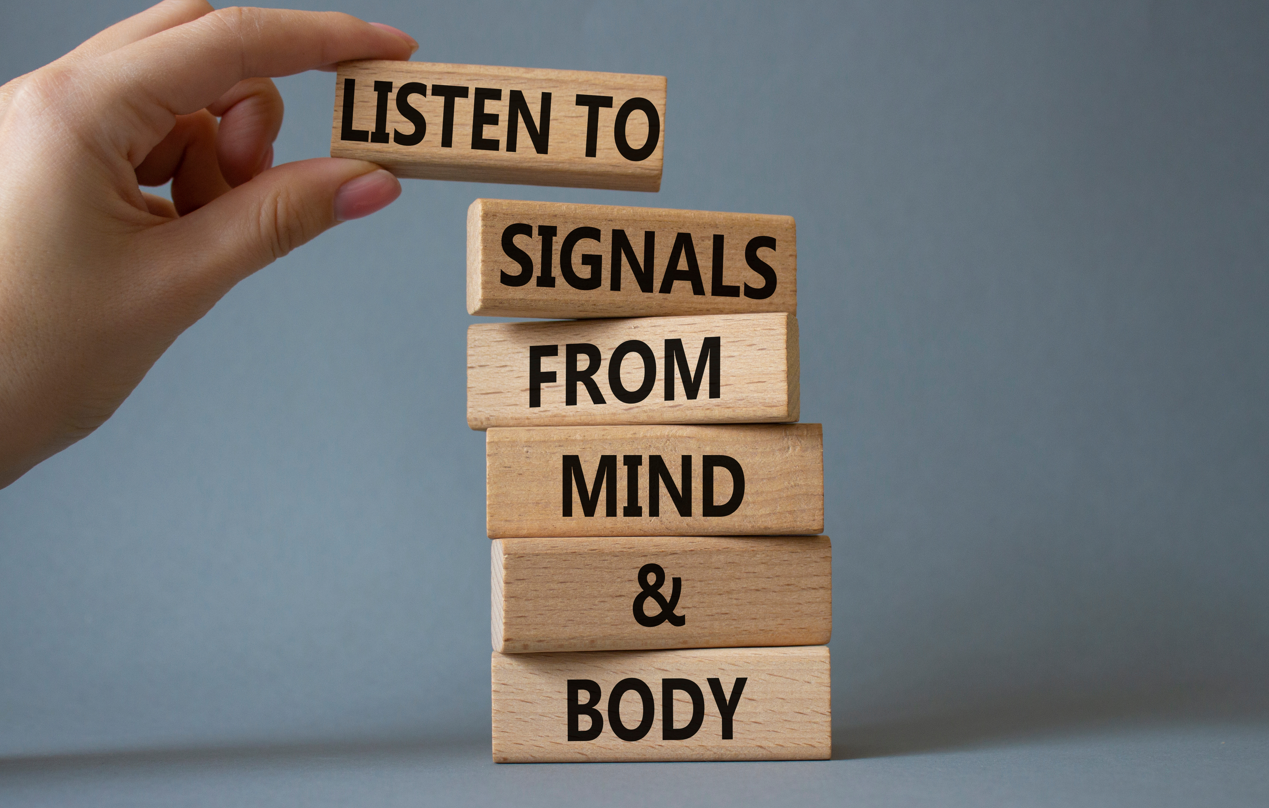
body-signal.png

As the weather gets warmer, many people visit a Korean medicine clinic, saying, “I don’t have an appetite these days.” They can’t eat food that they used to enjoy, and they feel hungry but when they actually try to eat, they feel like they’re going to vomit, so they just skip their meals. In severe cases, they feel bloated or burp frequently, have diarrhea due to poor digestion, or complain of stomach discomfort after eating.


In this way, it is difficult to simply dismiss the loss of appetite and digestive function that occur in the summer as a problem of no appetite because it is hot'. In fact, in Oriental medicine, summer is considered the season of 'fire' among the five elements, and the time corresponding to the heart among the organs of the human body. In the summer, the external temperature is high and sweating increases, so the **fluid and energy** in the body are easily
consumed. This increases the burden on the heart, and if the energy in the body cannot sufficiently circulate to the stomach, the digestive function deteriorates.


In addition, in summer, we often seek out cold food and drinks to endure the hot weather. Cold noodles, ice cream, cold water, and cold coffee provide a momentary coolness, but if consumed repeatedly, they accumulate cold air in the stomach, weakening the spleen and stomach function of the digestive system. This leads to a vicious cycle of decreased stomach motility, congestion, worsening indigestion, and loss of appetite.


If this situation is left untreated, it can develop into systemic symptoms such as loss of physical strength, decreased concentration, weakened immunity, and chronic fatigue, beyond just a loss of appetite. Therefore, you should not simply ignore loss of appetite and digestive problems in the summer as a passing discomfort, but rather accept them as important signals from your body.


In such cases, it is important to have a lifestyle and diet that warms and restores the stomach. It is best to avoid overeating and eat regular, appropriate amounts. It is better to prepare food that is warm and soft to reduce the burden on the stomach. For example, rice cake soup, porridge, warm soybean paste soup, and rice with a little ginger will help to relax the stomach and aid digestion. In addition , foods with aromatic ingredients such as plum, ginger, perilla leaves, and prickly ash help to stimulate the secretion of
gastric juice and increase appetite. On the other hand, it is best to avoid cold foods, spicy foods, and fatty foods. 


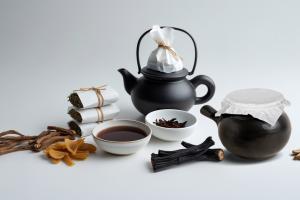
In Oriental medicine, customized herbal medicine is prescribed according to symptoms to protect the stomach and help restore its function. For example,


  • **Hyangsa Pyeongwisan** is helpful when you have a bloated stomach and diarrhea.
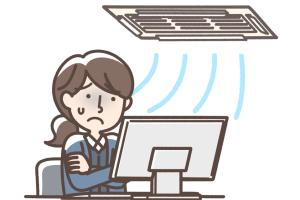
  • **Gwakhyangjeonggisan (藿香正氣散)** is also often used for diarrhea, abdominal pain, and nausea caused by air-conditioning sickness in summer.
  • **Sagunjatang (四君子湯)** is a prescription that boosts energy for people who are weak, always tired, and have no appetite.


Acupuncture can also be used in conjunction with this. Acupressure points such as Jok-sam-li(ST36), Jung-wan(RN12), Gi-hae(RN6), and Nae-gwan(PC6)are effective in revitalizing the stomach, relieving body qi, and stabilizing the digestive system.


Daily management is also very important. Drink water frequently, but rather than drinking a large amount at once, drink small amounts frequently to reduce the burden on the stomach and help replenish body fluids. Also, get enough sleep, control the room temperature so that you do not sweat excessively, and do light exercise such as walking or stretching every day to improve the circulation of energy throughout the body and help restore digestive function.


In Oriental medicine, summer is considered a season where it is hot outside but can easily become cold inside. Although it may seem hot and sweaty on the outside, it is actually a time when the inside can easily become cold, so taking care of the stomach warmly is the key to seasonal health. Loss of appetite is a sign that the body is weak, and not neglecting it and taking care of it early is the wisdom to have a healthy summer.


If you listen to the small signals your body sends you, adjust your eating and living habits, and practice taking care of your stomach, you will be able to have a healthy summer even in the hot weather.


여름철 입맛 저하와 소화기 관리 – 몸이 보내는 신호에 귀를 기울이세요


날씨가 더워지면 많은 분들이 “요즘 입맛이 없어요”라며 한의원을 찾습니다.
예전에는 맛있게 먹던 음식도 손이 가지 않고, 배는 고픈데 막상 먹으려면 체할 것 같은 느낌이 들어 식사를 대충 넘기게 됩니다. 심한 경우에는 속이 더부룩하거나 트림이 자주 나고, 소화가 잘되지 않아 설사를 하거나, 먹고 난 뒤에 속이 불편하다는 호소도 많습니다.


이처럼 여름철에 나타나는 식욕 저하와 소화기능 저하는 단순히 ‘더워서 입맛이 없다’는 문제로 치부하기 어렵습니다. 실제로 한의학에서는 여름을 오행 중 ‘화(火)’의 계절, 그리고 인체 장부 중에서는 ‘심장(心)’에 해당하는 시기로 봅니다.
여름에는 외부 온도가 높고 땀 배출이 많아지면서 인체 내 **진액과 기(氣)**가 쉽게 소모됩니다. 이로 인해 심장의 부담이 커지고, 몸속 기운이 위장까지 충분히 돌지 못하면 소화기 기능이 저하되는 것입니다.


게다가 여름철에는 무더운 날씨를 견디기 위해 찬 음식과 음료를 자주 찾게 됩니다.
냉면, 아이스크림, 찬물, 냉커피 등은 순간적으로 시원함을 주지만, 반복적으로 섭취할 경우 위장에 냉기를 쌓이게 하여 소화기계의 ‘비위(脾胃)’ 기능을 약하게 만듭니다. 이는 위장의 운동성을 떨어뜨리고, 기가 뭉쳐 소화불량과 식욕부진을 악화시키는 악순환으로 이어집니다.


이러한 상황을 방치하게 되면 단지 입맛이 없다는 정도를 넘어, 체력 저하, 집중력 감소, 면역력 약화, 만성 피로 등의 전신 증상으로 발전할 수 있습니다. 따라서 여름철 식욕저하와 소화기 장애는 단순히 지나가는 불편함으로 넘기지 말고, 내몸이 보내는 중요한 신호로 받아들여야 합니다.


이럴 때는 무엇보다 위장을 따뜻하게 회복시켜주는 생활 습관과 식사법이 중요합니다. 식사는 과식을 피하고, 규칙적으로 적절한 양을 먹는 것이 좋습니다.
음식은 되도록 따뜻하고 부드러운 것으로 준비하는 것이 위장에 부담을 덜 줍니다.
예를 들어 미음이나 죽, 따뜻한 된장국, 생강을 살짝 넣은 밥은 위장을 편안하게 해주고 소화를 도와줍니다. 또한 매실, 생강, 깻잎, 산초 같은 향신 성분이 있는 식품은 위액 분비를 촉진시켜 식욕을 돋우는 데 도움이 됩니다. 반대로, 찬 음식이나 자극적인 음식, 지방이 많은 음식은 피하는 것이 좋습니다.


한의학에서는 증상에 따라 맞춤형 한약을 처방해 위장을 보호하고 기능을 회복하도록 돕습니다. 예를 들어, 

  • **향사평위산(香砂平胃散)**은 속이 더부룩하고 체기가 있을 때 도움이 되고, 
  • **곽향정기산(藿香正氣散)**은 여름철 냉방병으로 인한 설사, 복통, 구역 등에도 자주 쓰입니다.
  • **사군자탕(四君子湯)**은 기운이 약하고 늘 피로하며 식욕이 없는 사람에게 기운을 북돋아주는 처방입니다.


이와 함께 침 치료도 병행할 수 있습니다. 족삼리, 중완, 기해, 내관 등의 혈자리는 위장의 기운을 살리고, 체기를 풀어주며, 소화기 계통을 안정시키는 데 효과적입니다.


생활 속 관리도 매우 중요합니다. 수분은 자주 마시되, 한 번에 많은 양을 마시는 것보다는 조금씩 자주 섭취하는 방식이 위장에 부담을 줄이고 진액 보충에 도움이 됩니다. 또한 충분한 수면을 취하고, 땀이 과하게 나지 않도록 실내온도를 조절하며, 가벼운 걷기나 스트레칭 같은 운동을 매일 실천하면 몸 전체의 기 순환이 좋아져 소화기능 회복에 도움이 됩니다.


한의학에서는 여름을 ‘밖은 덥지만 속은 쉽게 차가워질 수 있는 계절’로 봅니다.
겉으로는 땀이 나고 더운 것 같지만, 실은 속이 냉해지기 쉬운 시기인 만큼, 이럴 때 위장을 따뜻하게 돌보는 것이 계절 건강의 핵심입니다. 식욕 저하는 몸이 약해졌다는 신호이며, 그것을 방치하지 않고 초기에 돌보는 것이 건강한 여름을 보내는 지혜입니다.


몸이 보내는 작은 신호에 귀를 기울이고, 식습관과 생활 습관을 조절하면서 위장을 아끼는 실천을 한다면 무더위 속에서도 건강한 여름을 보낼 수 있을 것입니다.


On Acupuncture News

On Acupuncture aims to make Oriental medicine more accessible and easier to understand.

  1. Infertility in Traditional Korean Medicine: Five Major Causes and Therapeutic Approaches 한방에서 보는 난임, 다섯 가지 원인과 치료 접근

    Infertility in Traditional Korean Medicine: Five Major Causes and Therapeutic Approaches By Noh Jong-rae, R.TCMP | Director, Misodream Korean Medicine Clinic In recent years, the number of couples struggling with infertility has been steadil...
    Date2025.10.29 Views235
    Read More
  2. Understanding and Treating the Common Cold in Traditional Korean Medicine 한방에서 본 감기의 해석과 치료

    Understanding and Treating the Common Cold in Traditional Korean Medicine By Noh Jong-rae, R.TCMP | Director, Misodream Korean Medicine Clinic As temperatures drop and cold winds begin to blow, many people find themselves suffering from cold...
    Date2025.10.29 Views267
    Read More
  3. The Principle and Effects of Ssanghwa-tang (雙和湯): A Representative Tonic for Autumn that Nourishes Both Qi and Blood 쌍화탕(雙和湯)의 원리와 작용 — 기와 혈을 함께 보하는 가을철 대표 보제

    The Principle and Effects of Ssanghwa-tang (雙和湯): A Representative Tonic for Autumn that Nourishes Both Qi and Blood As autumn arrives, mornings and evenings turn cool while daytime sunlight remains warm, creating large temperature fluctu...
    Date2025.10.29 Views344
    Read More
  4. Autumn Abundance and Blood Sugar Management (천고마비의 계절, 과식과 혈당 관리)

    Autumn Abundance and Blood Sugar Management Autumn has long been called the season of “Cheon-Go-Ma-Bi” (天高馬肥), meaning “the sky is high and horses grow fat.” The phrase reflects both the abundance of harvest and the richness of autumn’s ...
    Date2025.10.04 Views885
    Read More
  5. Vancouver’s Dry Air: Protecting the Lungs and Respiratory System (밴쿠버의 건조한 공기, 폐와 호흡기를 지키는 지혜)

    Vancouver’s Dry Air: Protecting the Lungs and Respiratory System Vancouver is often referred to as the “City of Rain,” but those who live here are also aware that dryness is a common challenge. In winter, indoor heating drastically lowers hu...
    Date2025.10.04 Views887
    Read More
  6. Vancouver’s Autumn: How to Overcome the Blues Under Cloudy Skies (벤쿠버의 가을, 흐린 하늘과 함께 찾아오는 우울을 이겨내는 법)

    Vancouver’s Autumn: How to Overcome the Blues Under Cloudy Skies Autumn in Vancouver is famously long and gray. Clear skies are rare, and the frequent rain and overcast weather often leave people feeling heavy in spirit and sluggish in body....
    Date2025.10.04 Views899
    Read More
  7. Onion Juice – Nature’s Gift for Vascular Health (양파즙, 혈관을 지키는 자연의 선물)

    Onion Juice – Nature’s Gift for Vascular Health Among the vegetables most commonly used in our daily meals, the onion stands out. It is a key ingredient in kimchi, stir-fried dishes, soups, and is also enjoyed raw or pickled. In recent years...
    Date2025.10.04 Views897
    Read More
  8. The History, Key Components, and Health Benefits of Korean Red Ginseng (홍삼의 역사와 주요 성분, 그리고 효능에 대해)

    The History, Key Components, and Health Benefits of Korean Red Ginseng Korean Red Ginseng (Hong-Sam) is a traditional medicinal herb with a long history, widely known for its diverse health benefits—from fatigue recovery and immune enhanceme...
    Date2025.10.04 Views956
    Read More
  9. Staying Healthy During the Seasonal Shift from Summer to Autumn (환절기, 여름에서 가을로 넘어가는 길목에서 지켜야 할 건강법)

    Staying Healthy During the Seasonal Shift from Summer to Autumn As the blazing heat of midsummer begins to fade, cool breezes arrive in the mornings and evenings. This transitional period—the shift from summer to autumn—is what we call a sea...
    Date2025.10.04 Views185
    Read More
  10. Cool Mornings, Hot Afternoons – Managing Health During the Season of Extreme Temperature Swings with Traditional Korean Medicine (아침·저녁 쌀쌀, 낮엔 한여름… 일교차 심한 환절기, 한의학적 건강관리)

    Cool Mornings, Hot Afternoons – Managing Health During the Season of Extreme Temperature Swings with Traditional Korean Medicine Jong-Rae Noh | Medical Director, Misodream Korean Medicine Clinic, R.TCMP As August draws to a close, the intens...
    Date2025.10.04 Views899
    Read More
  11. The Seasonal Transition – A Crucial Time for Seniors Traditional Korean Medicine Tips for Preventive Health (어르신들에게 환절기는 고비입니다 – 한방 예방 건강법)

    어르신들에게 환절기는 고비입니다 – 한방 예방 건강법 기온 변화가 몸에 미치는 영향과 한방적 대응법 여름에서 가을로 넘어가는 환절기는 자연의 변화만큼이나 사람의 몸에도 큰 변화를 일으킵니다. 특히 고령층에게는 이 시기가 건강의 ‘고비’가 되는 경우...
    Date2025.10.04 Views927
    Read More
  12. Protecting Senior Health in the Hot Summer (무더운 여름, 노인 건강을 지키는 법)

    Protecting Senior Health in the Hot Summer — Prevention of Heatstroke and Dehydration with Korean Medicine When temperatures rise above 30°C in the hot summer months, the season becomes a burden for everyone, but especially life-threatening ...
    Date2025.10.03 Views868
    Read More
  13. Are You Struggling with Air-Conditioning Syndrome or Summer Coldness?

    Are You Struggling with Air-Conditioning Syndrome or Summer Coldness? Misodream Korean Medicine Clinic – RTCMP No Jongrae Summer is traditionally a season of abundant yang energy. Yet many patients who visit our clinic during this time compl...
    Date2025.09.26 Views935
    Read More
  14. Summer Appetite Loss and Digestive Health Management – ​​Listen to Your Body’s Signals

    As the weather gets warmer, many people visit a Korean medicine clinic, saying, “I don’t have an appetite these days.” They can’t eat food that they used to enjoy, and they feel hungry but when they actually try to eat, they feel like they’r...
    Date2025.08.04 Views1122
    Read More
  15. Wisdom to beat the summer heat and humidity

    Wisdom to beat the summer heat and humidity The midsummer heat has begun in earnest. Summer is a time when the discomfort index rises rapidly due to high temperatures and high humidity. In particular, summer in Korea is characterized by 'hot...
    Date2025.07.28 Views1555
    Read More
  16. Strengthening Qi and Blood, Strengthening Immunity – The True Value of Sipjeondaebo-tang

    Customized health supplements prepared directly by Miso Dream Oriental Medicine Clinic When you feel weak, easily tired, and slow to recover from an illness, many people naturally think of a tonic. It is **Sipjeondaebo-tang (十全大補湯)**, w...
    Date2025.07.20 Views1420
    Read More
  17. What is Gyeongokgo and what are its effects? - The secret to longevity told in classics

    Since ancient times, when the body is weak and lacks energy, or when recovery is slow after an illness, Oriental medicine has used the concept of 'bo-yak (補藥)' to boost vitality and replenish qi and blood. Among the numerous tonics, there ...
    Date2025.07.02 Views1858
    Read More
  18. Why Does the Spring Cold Keep Coming Back?

    Why Does the Spring Cold Keep Coming Back? Spring is a season of hope with warm sunshine and new life, but surprisingly, many people suffer from colds. Especially, it is a time when the body, accustomed to living indoors all winter, is expos...
    Date2025.06.14 Views1363
    Read More
  19. Early summer health care, wise life wisdom suggested by oriental medicine

    Written by: RTCMP Jong-rae Roh (Director of Oriental Natural Acupuncture Clinic) The season has passed spring and is now entering early summer. As the daytime temperature rises to around 25 degrees and the amount of sunlight increases, the b...
    Date2025.06.06 Views1439
    Read More
  20. On a spring day when you are tired from spring fever, give the gift of sincerity contained in Gongjindan.

    사진: 의약통신 On a spring day when you are tired from spring fever, give the gift of sincerity contained in Gongjindan. Spring is the season of new life. New green shoots appear on trees, and flowers on the roadside show their faces in the ...
    Date2025.05.22 Views1487
    Read More
Board Pagination Prev 1 2 Next
/ 2
SCROLL TOP On Acupuncture | 미소스림 한의원 | Coquitlam, BC Canada