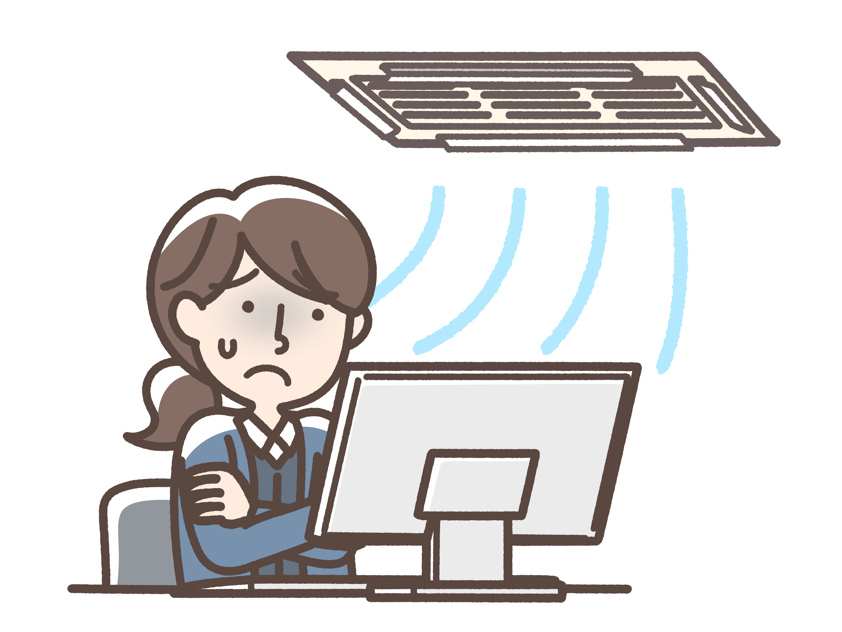
Are You Struggling with Air-Conditioning Syndrome or Summer Coldness?
Misodream Korean Medicine Clinic – RTCMP No Jongrae
Summer is traditionally a season of abundant yang energy. Yet many patients who visit our clinic during this time complain of feeling cold and shivery, having cold hands and feet, frequent indigestion or diarrhea, and overall poor digestion. These symptoms are often referred to as “air-conditioning syndrome” or “summer coldness.”
Although not an official medical diagnosis, air-conditioning syndrome is a set of symptoms commonly seen in summer due to constant use of cooling devices and frequent consumption of cold foods. Typical symptoms include stiff shoulders and neck, headaches, abdominal pain, diarrhea, irregular menstruation, fatigue, cold extremities, and in severe cases, chills and fever similar to a cold.
In Korean medicine, these conditions are understood as a weakening of yang energy. Prolonged exposure to air-conditioning or consumption of cold drinks and foods lowers the body’s natural warmth, disrupts qi and blood circulation, and reduces organ function. This is especially true if one is exposed to cool air while sweating, or if cold foods are consumed often, leading to a chilled stomach and weakened digestion.
These cold-type symptoms are particularly common in people with weak digestive systems, those with qi and blood deficiency, the elderly, and women. If left untreated, the imbalance may not only cause discomfort but also lower immunity, making early care essential.
Daily lifestyle management is the foundation of prevention.
-
Keep indoor and outdoor temperature differences within 5°C.
-
Avoid direct exposure to air-conditioning drafts.
-
Use a light scarf or clothing to protect the abdomen and shoulders.
-
Drink lukewarm water rather than cold beverages.
-
Choose warm, easily digestible meals and limit cold foods.
Korean medical treatments can be highly effective in restoring balance from air-conditioning syndrome and summer coldness. Acupuncture and moxibustion help improve qi and blood circulation, while individualized herbal prescriptions address specific symptoms:
-
Huo Xiang Zheng Qi San (곽향정기산): for diarrhea, nausea, and upset stomach
-
Xiang Sha Ping Wei San (향사평위산): for indigestion and food stagnation
-
Bu Zhong Yi Qi Tang (보중익기탕): for fatigue, spontaneous sweating, and weakness
These treatments not only relieve symptoms but also strengthen the constitution and enhance immunity.
While we naturally seek relief from the summer heat, it is important to avoid chilling the body too deeply. Excessive pursuit of coolness can impair temperature regulation and harm overall health. If you experience persistent cold hands and feet, abdominal chilliness, or digestive issues during the summer, it may indicate the onset of constitutional coldness.
At such times, a proper Korean medical diagnosis can help you better understand your body type and lifestyle habits, and guide you toward the right treatment.
Misodream Korean Medicine Clinic provides tailored acupuncture, moxibustion, pharmacopuncture, and herbal medicine to help patients suffering from air-conditioning syndrome and summer coldness achieve deeper, more fundamental recovery.
Summer may feel hot on the surface, but it is also a season when the body can easily become cold inside. Don’t ignore these signs—protect your inner warmth and enjoy a healthy, balanced summer.
여름철 냉방병, 오히려 냉증으로 고생하십니까?
미소드림한의원 RTCMP노종래
여름은 양기가 왕성한 계절이지만, 한의원을 찾는 환자들 중에는 오히려 몸이 춥고 으슬으슬하다,손발이 차다,배탈이 잦고 소화가 잘 안 된다고 호소하는 경우가 많습니다. 흔히 말하는 ‘냉방병’ 또는 ‘여름 냉증’입니다.
냉방병은 정식 의학 진단명은 아니지만, 냉방기기 사용과 찬 음식 섭취가 일상화된 여름철에 자주 나타나는 복합 증상입니다. 주요 증상으로는 어깨, 목의 결림, 두통, 복통, 설사, 생리불순, 무기력, 수족냉증 등이 있으며, 심한 경우 감기처럼 오한과 열이 동반되기도 합니다.
한의학에서는 이러한 증상을 양기(으로 해석합니다. 여름철 냉방기 바람, 차가운 음료와 음식은 체내의 따뜻한 기운을 약화시키고, 기혈 순환을 저해하여 장부 기능까지 저하시킵니다. 특히 땀을 많이 흘린 상태에서 에어컨 바람에 오래 노출되거나, 냉 음식을 자주 섭취하면 위장이 냉해져 소화 기능이 떨어지기 쉽습니다.
이러한 냉증은 특히 비위가 약한 사람, 기혈허약한 체질, 노약자나 여성에게 흔하게 나타납니다. 몸 안의 균형이 무너지면 단순히 불편한 증상에 그치지 않고, 면역력 저하로 이어질 수 있어 조기 대응이 중요합니다.
생활 속 관리가 기본입니다. 실내외 온도차는 5도 이내로 유지하고, 에어컨 바람이 몸에 직접 닿지 않도록 해야 합니다. 배와 어깨를 덮을 수 있는 얇은 옷이나 스카프를 활용해 체온을 보호하고, 찬 음료보다는 미지근한 물을 자주 마시는 것이 좋습니다. 식사는 가능한 한 따뜻하고 소화가 잘 되는 음식 위주로 하고, 찬 음식은 자제하는 것이 바람직합니다.
한방 치료는 냉방병과 냉증 증상의 회복에 효과적입니다. 침과 뜸 치료는 기혈순환을 개선하고 체질과 증상에 따라 한약을 처방하기도 합니다.
곽향정기산은 배탈, 구역, 설사에 향사평위산은 소화불량과 체기에 보중익기탕은 기력 저하, 자한, 피로에 자주 사용됩니다.
이러한 치료는 증상 완화뿐 아니라, 체질 개선과 면역력 강화에도 긍정적인 영향을 미칩니다.
여름철에는 누구나 더위를 피하려 하지만, 몸 속 깊은 곳까지 냉해지는 것은 조심해야 합니다. 단순히 시원함만 추구하다 보면 체온 조절 기능이 떨어지고, 건강을 해칠 수 있습니다. 여름철에도 손발이 차거나 복부가 시리고, 소화가 잘 안 되는 증상이 반복된다면 체질적 냉증이 시작되었을 가능성이 높습니다.
이럴 때에는 한의학적 진단을 통해 본인의 체질과 생활 습관을 점검해보고, 적절한 치료를 받는 것이 좋습니다.
미소드림 한의원은 냉방병과 여름 냉증으로 불편을 겪는 분들에게 체질에 맞춘 침, 뜸, 약침, 한약 치료를 통해 보다 근본적인 회복을 도와드립니다.
여름은 겉으로는 덥지만, 안으로는 차가워지기 쉬운 계절입니다. 냉증을 방치하지 마시고, 따뜻한 기운을 지켜 건강한 여름을 보내시기 바랍니다.
 Protecting Senior Health in the Hot Summer (무더운 여름, 노...
 Summer Appetite Loss and Digestive Health Management – List...


