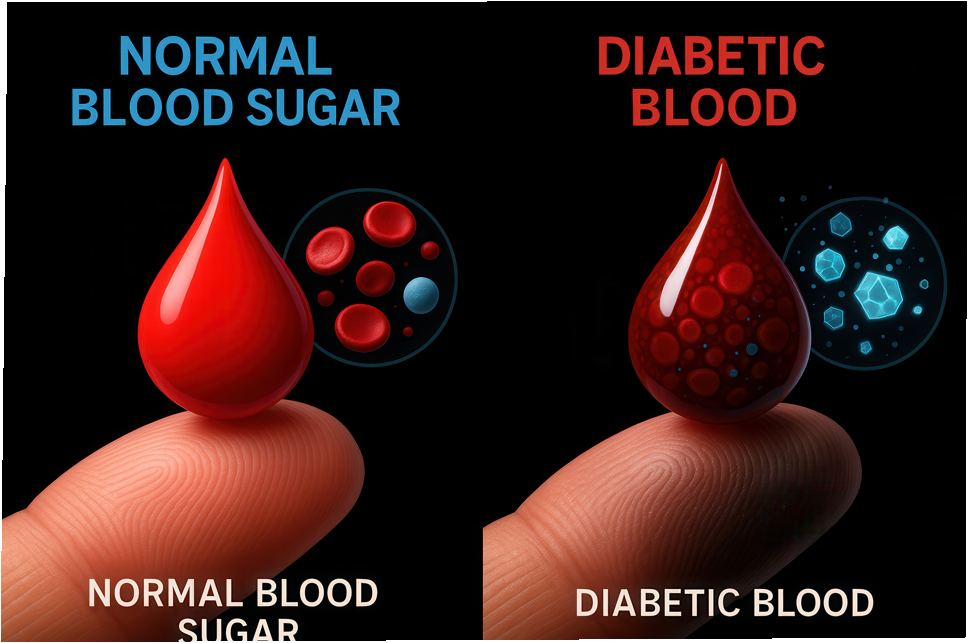
Autumn Abundance and Blood Sugar Management
Autumn has long been called the season of “Cheon-Go-Ma-Bi” (天高馬肥), meaning “the sky is high and horses grow fat.” The phrase reflects both the abundance of harvest and the richness of autumn’s energy. As the heat of summer fades and cooler weather sets in, our appetite naturally increases. While this seasonal shift can be enjoyable, it also carries the risk of overeating and difficulties with blood sugar control—especially for those living with chronic conditions such as diabetes, hypertension, or high cholesterol.
Why Appetite Increases in Autumn
During the hot summer months, people often eat less despite higher energy demands, since the heat suppresses appetite. But in autumn, when day-to-night temperature differences widen, the body requires more energy to maintain stable temperature, which naturally stimulates appetite. Combined with the abundance of grains, fruits, vegetables, and nuts during this season, it is easy to overeat without realizing it.
The Impact of Overeating on Blood Sugar
Eating large portions at once causes blood glucose levels to spike rapidly. In healthy individuals, insulin helps stabilize this rise, but for those with diabetes or insulin resistance, this mechanism is less effective. As a result, post-meal blood sugar can rise sharply, damaging blood vessels over time and increasing the risk of complications. Even in the short term, sudden spikes can lead to drowsiness, fatigue, and headaches. The problem is particularly evident during holidays or gatherings where people indulge in rich, carbohydrate-heavy foods such as rice cakes and fried dishes.
Healthy Habits for Blood Sugar Control
To manage blood sugar effectively in autumn, keep the following principles in mind:
-
Reduce portion sizes slightly.
Autumn fruits such as pears, grapes, and persimmons are delicious but high in sugar, so they should be enjoyed in moderation. -
Slow down your eating pace.
Eating too quickly can lead to overeating before fullness sets in and cause sharp blood sugar spikes. Meals should take at least 15 minutes, chewing slowly and mindfully. -
Balance carbohydrates, protein, and vegetables.
Choose mixed grains or brown rice instead of white rice, lean protein sources such as tofu, fish, or chicken, and make sure to include plenty of vegetables to slow blood sugar absorption. -
Choose healthy snacks.
Replace sweets or rice cakes with walnuts, almonds, or vegetable sticks like cucumber or carrot for more stable energy. -
Make exercise a routine.
Autumn is ideal for outdoor activities. Even a light 30-minute walk after meals can help lower blood sugar. Consistent aerobic exercise, such as walking or jogging 3–5 times a week, is one of the best ways to support blood sugar control.
The TKM Perspective: Autumn and Digestion
In Traditional Korean Medicine (TKM), autumn is considered the season of the lungs (metal element), when dryness affects respiratory health. Overeating, however, burdens the spleen and stomach (脾胃, biwei), weakening digestion and leading to the accumulation of waste in the body, which in turn impacts blood sugar balance.
Herbal ingredients such as Dioscorea (산약), Atractylodes (백출), Ginseng (인삼), and Astragalus (황기) strengthen the spleen and boost energy, easing indigestion from overeating while restoring vitality. Herbs like Schisandra (오미자) and Ophiopogon root (맥문동) help moisten the lungs and airways, counteracting seasonal dryness. Personalized herbal prescriptions based on body constitution can help people adapt more smoothly to seasonal changes.
Conclusion
Autumn is a season of abundance, offering plenty to enjoy. But unchecked indulgence can destabilize blood sugar and harm long-term health. By following the principles of “less, slower, and balanced eating,” combined with regular physical activity, you can fully embrace autumn’s richness while protecting your well-being. The wisdom of moderation is the true key to health in the season of plenty.
Dr. Jong-Rae Noh, R.TCMP
Medical Director, Misodream Korean Medicine Clinic
천고마비의 계절, 과식과 혈당 관리
가을은 예로부터 ‘천고마비(天高馬肥)의 계절’이라고 불립니다. 하늘은 높아지고 말은 살찌는 계절이라는 말 속에는, 수확으로 풍성해진 먹거리와 깊어진 가을의 기운이 함께 담겨 있습니다. 실제로 가을은 여름의 무더위가 지나가면서 기온이 선선해지고 활동하기 좋아져, 자연스럽게 식욕이 왕성해지는 시기입니다. 하지만 이런 계절적 특징은 자칫 과식을 부르고, 혈당 조절에 어려움을 겪는 원인이 될 수 있습니다. 특히 당뇨병이나 고혈압, 고지혈증 등 만성질환을 가진 분들에게는 가을철 생활 관리가 매우 중요합니다.
가을철 식욕이 왕성해지는 이유
여름에는 더위로 인해 몸의 에너지 소모가 많아도 입맛이 떨어지기 쉬워 음식 섭취량이 줄어듭니다. 그러나 가을이 되면 낮과 밤의 기온 차가 커지고, 몸은 체온을 일정하게 유지하기 위해 더 많은 에너지를 필요로 합니다. 이 과정에서 자연스럽게 식욕이 증가합니다. 게다가 가을은 곡식, 과일, 채소, 견과류 등 먹거리가 풍성하게 쏟아지는 계절이기에, 무심코 평소보다 많은 음식을 섭취하기 쉽습니다.
과식이 불러오는 혈당의 급격한 변화
한 번에 많은 양을 먹게 되면 혈액 속 포도당 농도가 빠르게 높아집니다. 건강한 사람이라면 인슐린이 분비되어 혈당을 일정하게 조절해 주지만, 당뇨병 환자나 인슐린 저항성이 있는 분들에게는 이 과정이 원활하지 않습니다. 결과적으로 식후 혈당이 쉽게 치솟고, 그 상태가 반복되면 혈관에 손상이 생겨 합병증 위험이 높아집니다. 단기적으로도 졸음, 피로, 두통이 나타날 수 있어 일상에 불편을 줍니다. 특히 명절이나 모임 자리에서 기름진 음식이나 떡, 고탄수화물 위주의 음식을 과도하게 먹으면 이런 문제가 두드러집니다.
건강한 혈당 관리를 위한 생활 습관
가을철 혈당 관리를 위해 기억해 두어야 할 기본 원칙이 있습니다.
첫째, 한 끼 식사량은 평소보다 약간 줄이는 것이 좋습니다.
과일은 가을에 많이 접하게 되는데, 배·포도·감 등은 당분이 많으므로 소량만 먹는 것이 바람직합니다.
둘째, 식사 속도를 조절해야 합니다.
빨리 먹으면 포만감을 느끼기도 전에 과식하게 되고, 혈당도 급격히 올라갑니다. 최소한 15분 이상 시간을 두고 천천히 씹어 먹는 것이 필요합니다.
셋째, 탄수화물·단백질·채소의 균형을 고려해야 합니다.
흰쌀밥보다는 잡곡이나 현미밥을 선택하고, 단백질은 두부·생선·살코기를 위주로 섭취하면 좋습니다. 채소는 충분히 곁들이는 것이 혈당을 완만하게 올리는 데 도움을 줍니다.
넷째, 간식은 단순당이 많은 음식 대신 건강한 선택을 해야 합니다.
떡이나 과자보다 호두·아몬드 같은 견과류, 오이나 당근 스틱 같은 채소 간식이 훨씬 유리합니다.
다섯째, 규칙적인 운동은 필수입니다.
가을은 야외활동에 적합한 계절입니다. 식후 30분 정도 가벼운 산책만 해도 혈당을 낮추는 효과가 있습니다. 주 3~5회, 하루 30분 이상 꾸준히 걷기나 조깅 같은 유산소 운동을 하면 혈당 관리에 큰 도움이 됩니다.
한의학적 관점에서 본 가을과 혈당
한의학에서는 가을을 폐(金)의 계절로 보고, 건조함이 심해지면서 호흡기 건강이 약해지는 때라고 설명합니다. 이때 과식으로 인해 비위(脾胃)의 기능이 상하면 소화력이 떨어지고 몸속에 불필요한 노폐물이 쌓입니다. 이는 곧 혈당 조절에도 영향을 미칩니다.
비위를 튼튼히 하고 기력을 보강하는 약재로는 산약, 백출, 인삼, 황기 등이 있으며, 이는 과식으로 인한 소화 불편을 줄이고 체력을 회복하는 데 도움을 줍니다. 또한 오미자나 맥문동 같은 약재는 폐와 기관지를 촉촉하게 해 주어 가을철 특유의 건조함을 완화합니다. 개인의 체질과 상태에 맞는 보약을 활용하면 계절 변화에 더욱 건강하게 적응할 수 있습니다.
마무리하며
가을은 풍성함과 여유를 만끽하기 좋은 계절입니다. 그러나 무심코 즐기는 과식은 혈당을 요동치게 하고 건강을 해칠 수 있습니다. ‘적게, 천천히, 균형 있게 먹는다’는 원칙을 지키고, 규칙적인 운동을 실천한다면 천고마비의 계절을 보다 건강하게 보낼 수 있습니다. 식탁의 풍요로움 속에서도 절제를 잃지 않는 지혜가 바로 가을 건강 관리의 핵심이라 할 수 있습니다.
미소드림 한의원 원장 R.TCMP 노종래
 The Principle and Effects of Ssanghwa-tang (雙和湯): A Repres...
 Vancouver’s Dry Air: Protecting the Lungs and Respiratory Sys...


