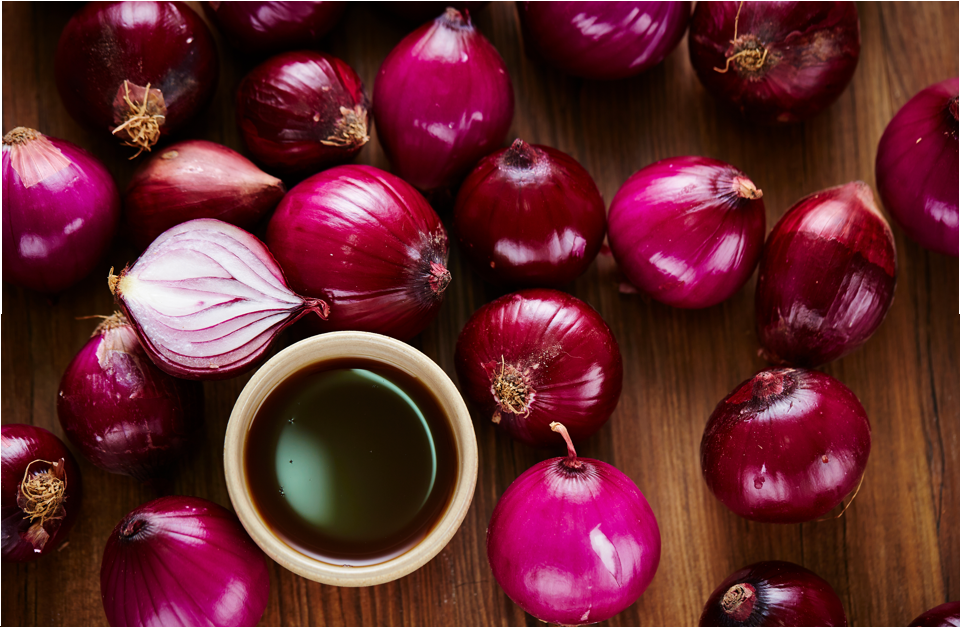
Onion Juice – Nature’s Gift for Vascular Health
Among the vegetables most commonly used in our daily meals, the onion stands out. It is a key ingredient in kimchi, stir-fried dishes, soups, and is also enjoyed raw or pickled. In recent years, onion juice has become widely consumed as a health beverage, offering a convenient way to benefit from onion’s active compounds. But what exactly does onion juice contain, and how does it benefit the body?
Rich in Antioxidants – Quercetin
The most noteworthy compound in onions is quercetin, a flavonoid with strong antioxidant properties. Quercetin removes free radicals that accumulate on blood vessel walls, helping to prevent vascular aging and promoting healthy circulation. Studies suggest that quercetin may help lower blood pressure and regulate cholesterol levels, which explains why onion juice is beneficial in preventing conditions such as hypertension and arteriosclerosis.
Allicin – Antimicrobial and Immune Benefits
The pungent taste and smell of onions come from sulfur compounds, particularly allicin. This compound has powerful antibacterial and antiviral effects, helping to prevent infections while also supporting immune function. Traditionally, people boiled onions for colds or placed sliced onions in rooms to protect the respiratory system—wisdom rooted in the effects of allicin.
Blood Sugar Control and Diabetes Prevention
Onions contain sulfur compounds and chromium, which may stimulate insulin secretion and help regulate blood sugar. Research in both animal and clinical studies has shown onion consumption to have blood sugar–lowering effects. This is why onion juice is often recommended for diabetes management. However, people already taking diabetes medication should be cautious, as excessive intake may increase the risk of hypoglycemia.
Digestive Health and Gut Support
Onion juice is rich in fructooligosaccharides, which nourish beneficial gut bacteria, improve intestinal balance, and help prevent constipation. It also stimulates digestive enzyme secretion, making it useful for those with weak digestion.
Onions in Traditional Korean Medicine
In Traditional Korean Medicine, onions are referred to as “Chongbaek (蔥白)”. With a warm nature and pungent flavor, they have long been used to dispel internal cold, promote sweating, and relieve wind-cold symptoms such as chills and nasal congestion during colds. Onions were also noted for improving Qi and blood circulation and resolving blood stasis—an effect closely linked with vascular health, highlighting their traditional value.
How to Consume Onion Juice
Onion juice is made by boiling and concentrating onions at high temperatures. This reduces their pungency while enhancing natural sweetness. Drinking one to two pouches daily can provide antioxidant and vascular benefits. Those with sensitive stomachs should avoid drinking it on an empty stomach, as it may cause discomfort, and instead take it after meals. It is also best to choose unsweetened products, since some commercial onion juices contain added sugars.
Precautions
As with any health food, moderation is key. Overconsumption of onion juice can irritate the stomach, causing heartburn or gas. Because onions can have mild blood-thinning effects, individuals taking anticoagulants or aspirin should consult their doctor before regular use.
Conclusion
Onions may not be an expensive tonic, but when consumed consistently, they act as a “daily health supplement,” supporting vascular health and immunity. For busy modern lifestyles, onion juice provides a simple and convenient way to maintain wellness. The key is to consume the right amount according to one’s health condition and constitution. Even small daily habits can slow aging and lay the foundation for a healthier future.
Dr. Jong-Rae Noh, R.TCMP
Medical Director, Misodream Korean Medicine Clinic
양파즙, 혈관을 지키는 자연의 선물
우리가 일상에서 가장 쉽게 접하는 채소 중 하나가 바로 양파입니다. 김치나 볶음, 국물 요리에 빠지지 않고 들어가며, 생으로 먹기도 하고 장아찌로 담가 오래 두고 먹기도 합니다. 최근에는 양파의 유효 성분을 그대로 섭취할 수 있는 건강음료 형태의 ‘양파즙’이 널리 소비되고 있습니다. 그렇다면 양파즙에는 어떤 성분이 들어 있고, 우리 몸에 어떤 이로움을 줄까요?
풍부한 항산화 성분 ― 케르세틴(Quercetin)
양파에 가장 주목할 만한 성분은 플라보노이드 계열의 항산화 물질인 케르세틴입니다. 이 성분은 혈관 벽에 쌓이는 활성산소를 제거하여 혈관의 노화를 막고, 혈액순환을 원활하게 도와줍니다. 실제로 케르세틴은 혈압을 낮추고 혈중 콜레스테롤 수치를 조절하는 데 도움을 준다는 연구들이 보고되고 있습니다. 고혈압이나 동맥경화 같은 성인병 예방에 양파즙이 유익한 이유가 바로 여기에 있습니다.
알리신(Allicin)의 항균·면역 효과
양파 특유의 매운맛과 냄새를 내는 황화합물, 즉 알리신은 강력한 항균 작용을 합니다. 알리신은 세균과 바이러스의 증식을 억제하여 감염성 질환을 예방하는 데 도움을 주며, 체내 면역력을 강화하는 역할도 합니다. 예로부터 민간에서는 감기에 걸렸을 때 양파를 달여 마시거나 방 안에 잘라 놓아 호흡기를 보호하려 했는데, 이러한 지혜는 양파의 알리신 성분에서 비롯된 것입니다.
혈당 조절과 당뇨 예방
양파에는 황화합물과 크롬이 함유되어 있어 인슐린 분비를 촉진하거나 혈당을 안정적으로 유지하는 데 관여합니다. 당뇨 환자에게 양파즙이 도움이 된다고 알려진 이유입니다. 실제로 동물실험과 일부 임상 연구에서 양파 섭취가 혈당 강하 효과를 보였다는 결과가 있습니다. 다만, 당뇨약을 복용하는 환자라면 지나친 양파즙 섭취는 저혈당 위험이 있을 수 있으니 주의가 필요합니다.
소화 촉진과 장 건강
양파즙에는 프락토올리고당이 풍부합니다. 이 성분은 장 속의 유익균을 증식시키고, 장내 환경을 개선하여 변비 예방과 소화 기능 강화에 도움을 줍니다. 또한 소화 효소 분비를 촉진해 위장 기능이 약한 사람들에게도 유익할 수 있습니다.
한의학적 관점에서의 양파
한의학에서는 양파를 **‘총백(蔥白)’**이라 부릅니다. 성질이 따뜻하고 맛이 매워 체내의 냉기를 몰아내고, 땀을 내어 풍한(風寒)을 풀어주는 약재로 사용되어 왔습니다. 감기에 걸려 오한과 코막힘이 있을 때 총백을 달여 마시거나, 다른 약재와 배합해 발한작용을 돕기도 했습니다. 또한 기혈 순환을 원활히 하고 어혈을 풀어주는 효능이 있다고 기록되어 있어, 혈관 건강과의 연관성이 전통의학에서도 오래전부터 주목된 셈입니다.
일상에서의 섭취 방법
양파즙은 양파를 고온에서 달여 농축하기 때문에 매운맛은 줄고 단맛이 강조됩니다. 하루에 1~2포 정도를 꾸준히 섭취하면 항산화와 혈관 보호 효과를 기대할 수 있습니다. 다만, 위가 약한 사람은 공복에 마실 경우 속쓰림이 있을 수 있으므로 식후에 섭취하는 것이 좋습니다. 또한 양파즙 제품의 경우 당분이 첨가된 것도 있으니 성분표를 확인하고, 무가당 제품을 선택하는 것이 바람직합니다.
주의할 점
모든 음식이 그렇듯 과유불급(過猶不及)의 원리가 적용됩니다. 양파즙을 과다하게 섭취하면 위장 자극으로 속쓰림이나 가스가 생길 수 있으며, 혈액응고 억제 작용이 있어 항응고제나 아스피린을 복용 중인 환자는 주치의와 상의하는 것이 안전합니다.
맺음말
양파는 값비싼 보약은 아니지만, 일상에서 꾸준히 섭취하면 혈관 건강과 면역력 증진에 큰 도움을 줄 수 있는 ‘생활 속 보약’입니다. 특히 양파즙은 바쁜 현대인에게 간편한 건강 관리법이 될 수 있습니다. 다만 자신의 체질과 건강 상태에 맞게 적절한 양을 꾸준히 섭취하는 것이 중요합니다. 작은 습관의 차이가 우리 몸의 노화를 늦추고, 건강한 노년을 준비하는 밑거름이 될 수 있습니다.
미소드림한의원 RTCMP노종래
 Vancouver’s Autumn: How to Overcome the Blues Under Cloudy Sk...
 The History, Key Components, and Health Benefits of Korean Re...


